20′, 40′, Standard & High Cube Containers
Shipping containers may look relatively simple from the outside, but knowing their actual dimensions can make a big difference when planning storage, delivery, or site placement.
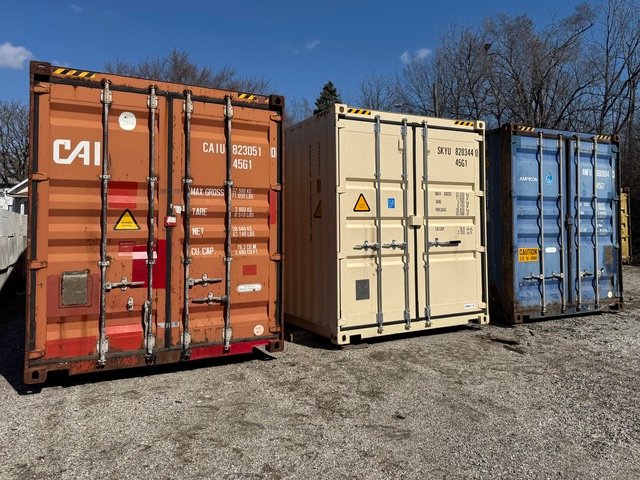
The most common storage containers are 20-foot and 40-foot containers, with both Standard and High Cube configurations available.
Actual interior measurements can vary slightly by manufacturer, age, door design, and construction. However, the dimensions below are good planning measurements for typical ISO dry freight containers.
Standard Shipping Container Dimensions
20′ Standard Container
Exterior Dimensions
- Length: 20′
- Width: 8′
- Height: 8’6″
Interior Dimensions
- Length: Approximately 19’4″
- Width: Approximately 7’8″
- Height: Approximately 7’10”
Door Opening
- Width: Approximately 7’8″
- Height: Approximately 7’5″
A 20′ Standard container provides approximately 150 square feet of floor area and roughly 1,170 cubic feet of interior storage capacity, depending on the manufacturer.
Its relatively compact footprint makes it especially popular for residential properties and locations where maneuvering or placement space is limited.
40′ Standard Container
Exterior Dimensions
- Length: 40′
- Width: 8′
- Height: 8’6″
Interior Dimensions
- Length: Approximately 39’5″
- Width: Approximately 7’8″
- Height: Approximately 7’10”
Door Opening
- Width: Approximately 7’8″
- Height: Approximately 7’5″
A 40′ container provides approximately 300 square feet of floor space and substantially more storage capacity than a 20′ container while maintaining the same 8-foot exterior width.
High Cube Shipping Container Dimensions
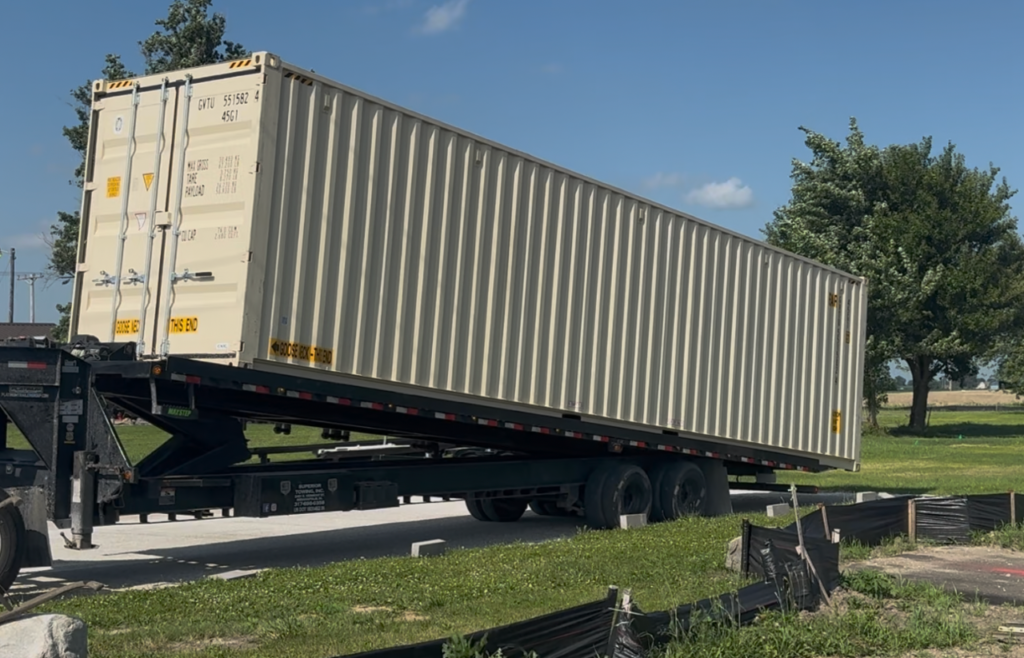
A High Cube (HC) shipping container is one foot taller than a Standard container.
40′ High Cube Container
Exterior Dimensions
- Length: 40′
- Width: 8′
- Height: 9’6″
Interior Dimensions
- Length: Approximately 39’5″
- Width: Approximately 7’8″
- Height: Approximately 8’10”
Door Opening
- Width: Approximately 7’8″
- Height: Approximately 8’5″
That additional foot may not sound significant, but across a 40-foot container it adds considerable cubic storage capacity and makes the interior feel noticeably more spacious.
Standard vs. High Cube: What’s the Difference?
The main difference is simple:
| Container Type | Exterior Height |
|---|---|
| Standard Container | 8’6″ |
| High Cube Container | 9’6″ |
All standard shipping containers are approximately 8 feet wide.
A High Cube gives you another foot of interior vertical clearance, which can be valuable for:
- Tall equipment
- Pallet racking
- Stacked inventory
- Shelving
- Construction materials
- Container modifications
One important consideration is delivery clearance. A High Cube sits one foot taller on the delivery trailer as well, so overhead obstacles need to be considered when planning delivery.
What Are Shipping Containers Made Of?
Shipping containers are designed to withstand international transportation, stacking, weather exposure, and repeated handling.
The primary structural material is Corten steel, also commonly called weathering steel.
The container’s steel framework includes:
- Corner posts
- Top and bottom side rails
- Crossmembers beneath the floor
- Corrugated steel wall panels
- Steel roof panels
- Heavy-duty cargo doors
Corten steel is designed to withstand harsh outdoor environments and develops a protective oxidation layer as it weathers.
That doesn’t mean a shipping container can never rust. Scratches, prolonged moisture exposure, standing water, salt, age, and damage can all contribute to corrosion.
How Thick Are Shipping Container Walls?
Container wall panels are relatively thin compared with the massive appearance of the finished container.
The strength comes from the combination of corrugated steel panels and the structural steel frame, rather than exceptionally thick wall steel.
Wall thickness varies by manufacturer and container design, but corrugated side panels are commonly around 1.6–2.0 mm thick.
The frame, corner posts, rails, and other structural components are considerably heavier and provide much of the container’s overall strength.
Shipping Container Flooring
The floor is much more substantial than many first-time buyers expect.
Traditional cargo containers typically use heavy-duty marine-grade plywood flooring supported by steel crossmembers underneath.
Used container floors are commonly approximately 1-1/8″ to 1-1/4″ thick, although exact thickness varies by manufacturer and container.
Many newer 1 Trip containers supplied by Level 7 Containers feature dark bamboo flooring.
Container floors are designed for heavy cargo handling and are solid enough to support equipment such as a skid steer under appropriate operating conditions.
20′ vs. 40′: Which Should You Buy?
Choosing between a 20′ and 40′ container ultimately comes down to available space, storage needs, delivery access, and budget.
A 20′ Container Is Often Preferable When:
- Space is limited
- You don’t need maximum capacity
- Residential placement is involved
- Delivery access is tighter
- You want a smaller visual footprint
A 40′ Container Is Usually Worth Considering When:
- You have adequate placement space
- You expect your storage needs to grow
- You’re storing large equipment or inventory
- Maximum storage capacity matters
Don’t compare container prices solely by the total purchase price. A 40′ container can sometimes provide substantially more storage space for a relatively modest increase in price compared with purchasing a 20′ container.
Need Help Choosing the Right Size?
Choosing the right container isn’t just about length. You also need to consider height, available placement space, delivery access, overhead clearance, and how you plan to use the container.
Not sure whether a 20′, 40′, Standard, or High Cube container is right for you?
Contact Level 7 Containers with your delivery ZIP code and we’ll help you compare available sizes and delivered pricing.
We’ll help you find the right container for your space, storage needs, and budget.
Ready to Find Your Shipping Container?
Whether you need residential storage, equipment storage, business inventory space, or a container for your next project, Level 7 Containers can help you find the right size.
Contact us today for availability and delivered pricing.