Used vs. 1 Trip, Buying vs. Renting & Payment Options
Choosing the right shipping container usually comes down to a few basic decisions: What size do you need? What condition makes sense? And should you buy, rent, or use a payment plan?
There isn’t one container that is right for everyone. A homeowner looking for affordable backyard storage may have very different priorities than a business purchasing a container for long-term use.
This guide explains the major options so you can decide what makes the most sense for your property, budget, and timeline.
Used vs. 1 Trip Shipping Containers
One of the first decisions is whether to purchase a Used shipping container or a 1 Trip container.
Both can provide secure, weather-resistant storage, but there are significant differences in appearance, condition, and price.
Used Shipping Containers
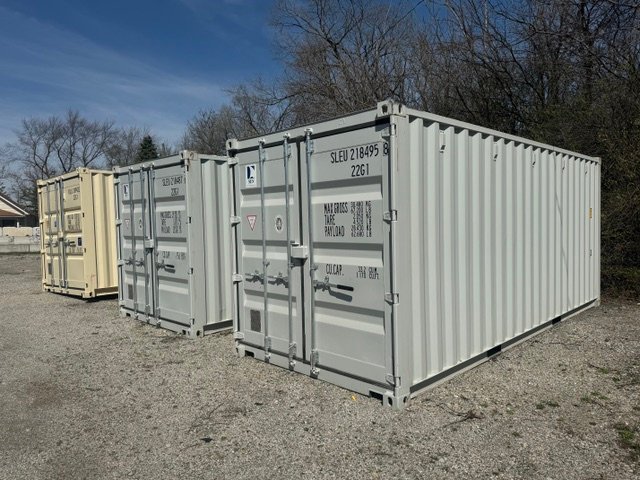
Used shipping containers have typically spent years in international cargo service before being retired from active shipping and sold for storage use.
Because they have been working containers, some cosmetic wear should be expected. A Used container may have:
- Surface rust
- Dents and dings
- Scratches and faded paint
- Shipping decals and markings
- Previous repairs or patches
At Level 7 Containers, our Used containers are guaranteed at delivery to have:
- No holes allowing water or rodents to enter
- Doors that open, close, and seal
- Solid, intact flooring
- A structurally sound shell suitable for storage
A Used container is generally the most economical choice when purchasing a shipping container.
If appearance isn’t your biggest concern and you’re primarily looking for dependable storage, a Used container is often the best value.
1 Trip Shipping Containers
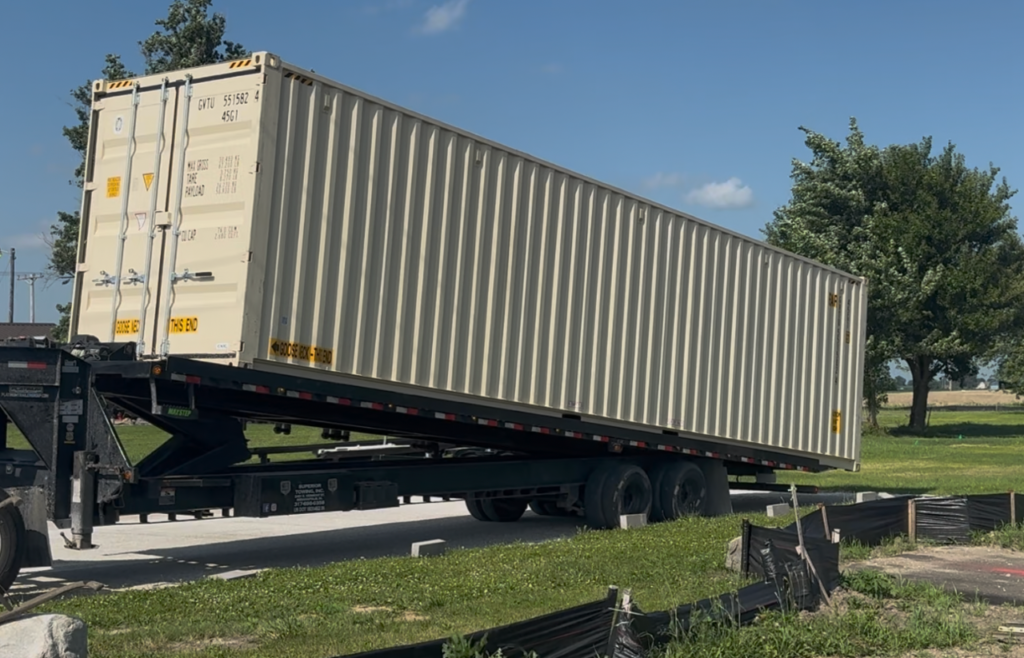
A 1 Trip container is the closest thing to a new shipping container.
These containers are manufactured overseas, loaded with cargo, and make one trip to the United States before being sold.
Because they haven’t spent years in cargo service, they offer a much cleaner appearance and considerably less wear.
Level 7 Containers’ 1 Trip units typically feature:
- Fresh exterior paint
- Dark bamboo flooring
- Factory-installed secure lockbox
- Easy-open doors
Some minor handling or transportation marks are still possible—these are shipping containers, after all—but a 1 Trip container will generally look significantly newer than a Used unit.
Which Is Better: Used or 1 Trip?
Neither is automatically better. The right choice depends on what matters most to you.
| Consideration | Used | 1 Trip |
|---|---|---|
| Lowest purchase price | ✓ | |
| Wind & watertight storage | ✓ | ✓ |
| Cleaner appearance | ✓ | |
| Minimal cosmetic wear | ✓ | |
| Lockbox included | ✓ | |
| Best value for basic storage | ✓ | |
| Best for highly visible locations | ✓ | |
| Long-term ownership | ✓ | ✓ |
If you’re putting the container behind a building or using it strictly for equipment storage, paying extra for appearance may not make sense.
If the container will be highly visible at your home or business—or you simply want something as close to new as possible—a 1 Trip container may be worth the additional cost.
What Size Shipping Container Do You Need?
For most customers, the next decision is between a 20-foot and 40-foot container.
A 20′ container is one of the most popular choices for residential storage, tools, equipment, remodeling materials, and smaller commercial applications.
A 40′ container provides roughly twice the floor space and is often the better value when substantial storage capacity is needed.
High Cube containers provide an additional foot of ceiling clearance compared with standard-height containers.
For exact measurements, see our Shipping Container Sizes Explained guide.
Specialty Shipping Containers
Standard cargo doors aren’t the only configuration available. Depending on availability, specialty containers can include:
Double-Door Containers
Cargo doors on both ends provide easier access to items throughout the container.
Tri-Door Containers
Cargo doors on one end and a man door on the opposite end provide easier access to the container.
Side-Door Containers
Large doors along the side allow significantly greater access to the container’s interior.
High Cube Containers
An additional foot of exterior height provides extra vertical storage capacity and interior clearance.
Reefer Containers
Working and non-working reefer containers have insulated walls, ceilings, doors, and floors.
The construction typically includes a stainless steel or aluminum interior liner with rigid foam insulation sandwiched between the interior and exterior skins. The floor is an aluminum T-bar floor designed to allow refrigerated air circulation rather than the plywood or bamboo flooring found in dry containers.
Specialty configurations such as 10′ containers, containers with multiple sets of doors, and 20′ High Cube containers are generally only available in 1 Trip condition and cost more than conventional single-door containers.
Should You Buy or Rent a Shipping Container?
Buying isn’t always necessary. The right option depends on how long you need the container and how you plan to use it.
Buying a Shipping Container
Purchasing generally makes the most sense when you:
- Expect to need storage long term
- Want permanent access to the container
- Want the ability to modify it
- Have a location where it can remain indefinitely
- Prefer owning an asset rather than making ongoing rental payments
Once purchased, the container is yours.
Renting a Shipping Container
Rental can make more sense for temporary storage needs such as:
- Construction projects
- Home remodeling
- Temporary business inventory
- Seasonal storage
- Short-term property projects
Renting avoids the larger upfront purchase price, although transportation costs still need to be considered.
At Level 7 Containers, rentals have a three-month minimum. Delivery and eventual pickup charges, along with the first month’s rent, are collected at the beginning of the rental.
Because rental pricing and transportation costs depend on location, contact us for current delivered rental pricing.
What About a Payment Plan?
If you want to own your container but would rather not pay the entire purchase price at once, a payment plan can provide a middle ground between renting and buying outright.
Instead of continuously paying rent for a container you don’t own, a payment plan allows you to spread the purchase cost over time.
Payment-plan availability, fees, down payment requirements, and terms can vary, so contact Level 7 Containers for current options.
Still Not Sure Which Container Makes Sense?
You don’t need to become a shipping-container expert before buying one.
Tell us your delivery ZIP code, the approximate size you’re considering, and whether you’re interested in Used, 1 Trip, purchase, or rental.
We’ll help you compare the options and provide straightforward delivered pricing.
No payment is due until your purchased container is delivered and on the ground.
Ready to Find the Right Shipping Container?
Whether you need affordable storage for your home, equipment storage for your business, or a temporary container for a construction project, we’re here to help you find the right option.
Contact Level 7 Containers today for availability and delivered pricing.